There is a particular kind of happiness that comes from sitting at a beachfront table at sunset, eating a fish you pulled out of the Pacific that morning. In Puerto Vallarta, that is not a fantasy — it is a routine that local restaurants have been offering anglers for decades. But between the strike and the plate there are a few questions: what you are allowed to keep, what is worth keeping, who cleans it and where it gets cooked. This guide answers them, with notes on how Ol’ Salty’s Ranch, the charter we recommend, handles it, and a link to their own explanation of whether you can keep your catch in Puerto Vallarta.
The Short Answer: Yes, Within the Law
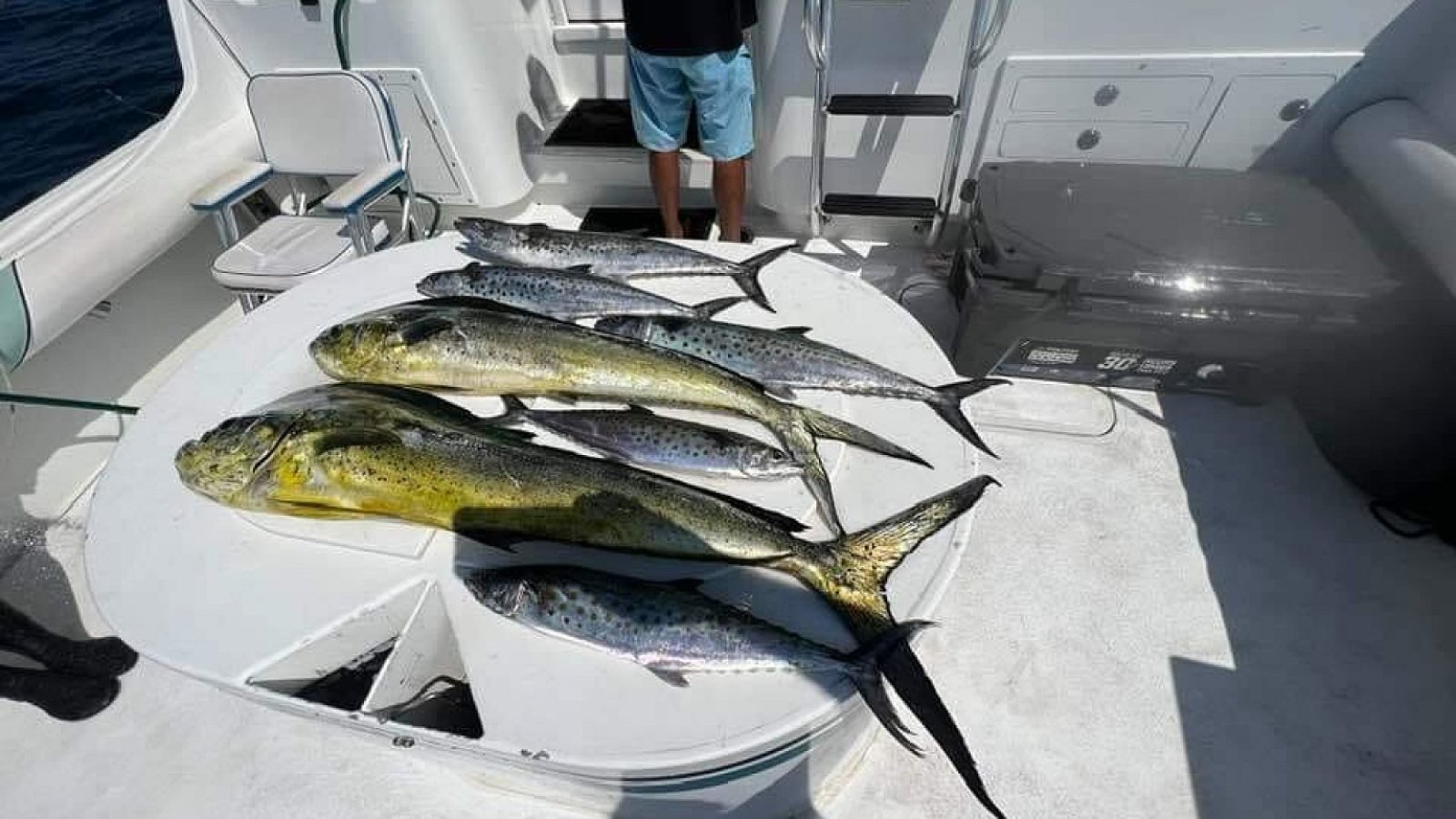
Sportfishing in Mexico is catch-and-keep within limits, not catch-and-release by default. On an Ol’ Salty’s charter, guests keep their catch within Mexican legal limits, and the crew cleans and fillets it for you at the end of the trip. You walk off the boat with bags of fillets, not a whole fish and a puzzled look.
That said, many anglers choose to release some fish — especially billfish — and conservation is encouraged. Keeping what you will eat and releasing what you will not is the approach most experienced captains in the bay quietly favour.
Mexican Sportfishing Catch Limits, Explained
Recreational fishing in Mexico is governed by the federal standard NOM-017-PESC-1994, administered by CONAPESCA, the national fisheries commission. Its daily limits are written per angler, not per boat. As a general guide:
| Rule | General limit (per angler, per day) |
|---|---|
| Total fish | Around 10 fish in total |
| Single species | No more than 5 of any one species |
| Billfish (marlin, sailfish, swordfish) | 1 per angler per day |
| Dorado, roosterfish, tarpon | 2 per species |
Important: this is a simplified, general guide for travellers, not legal advice. Regulations are updated from time to time and some species have special rules. Always verify current limits with CONAPESCA and follow your captain’s instructions on the day.
What “per angler” means in practice
The limits count licensed anglers. A group of six fishing together has six individual allowances, which in practice is far more fish than most groups can eat. The real constraint is rarely the law; it is your freezer, your appetite and how many days you have left in Vallarta.
Do you need a license?
Anyone fishing from a boat in Mexican waters needs a sportfishing license. With Ol’ Salty’s, licenses are included in the charter along with the rods, tackle, life jackets, water and ice, so there is nothing to buy separately.
Billfish: Why Many Anglers Let Them Go
Sailfish and marlin are the glamour species of Banderas Bay. The law allows one per angler per day, but a growing number of visitors choose to photograph and release them. The reasons are practical as well as ethical: billfish are slow to mature, they are worth far more alive to the region’s fishing economy, and a sailfish does not make particularly memorable dinner compared with a dorado. A quick photo alongside the boat, then a careful release, is the modern trophy. Your captain will advise on handling.
Which Fish Are Worth Keeping?
Not every fish that pulls hard tastes good. Here is a rough table-fare ranking for the species you are most likely to catch around the bay.
Excellent on the plate
- Dorado (mahi-mahi) — mild, firm white flesh. The star of most “cook your catch” dinners.
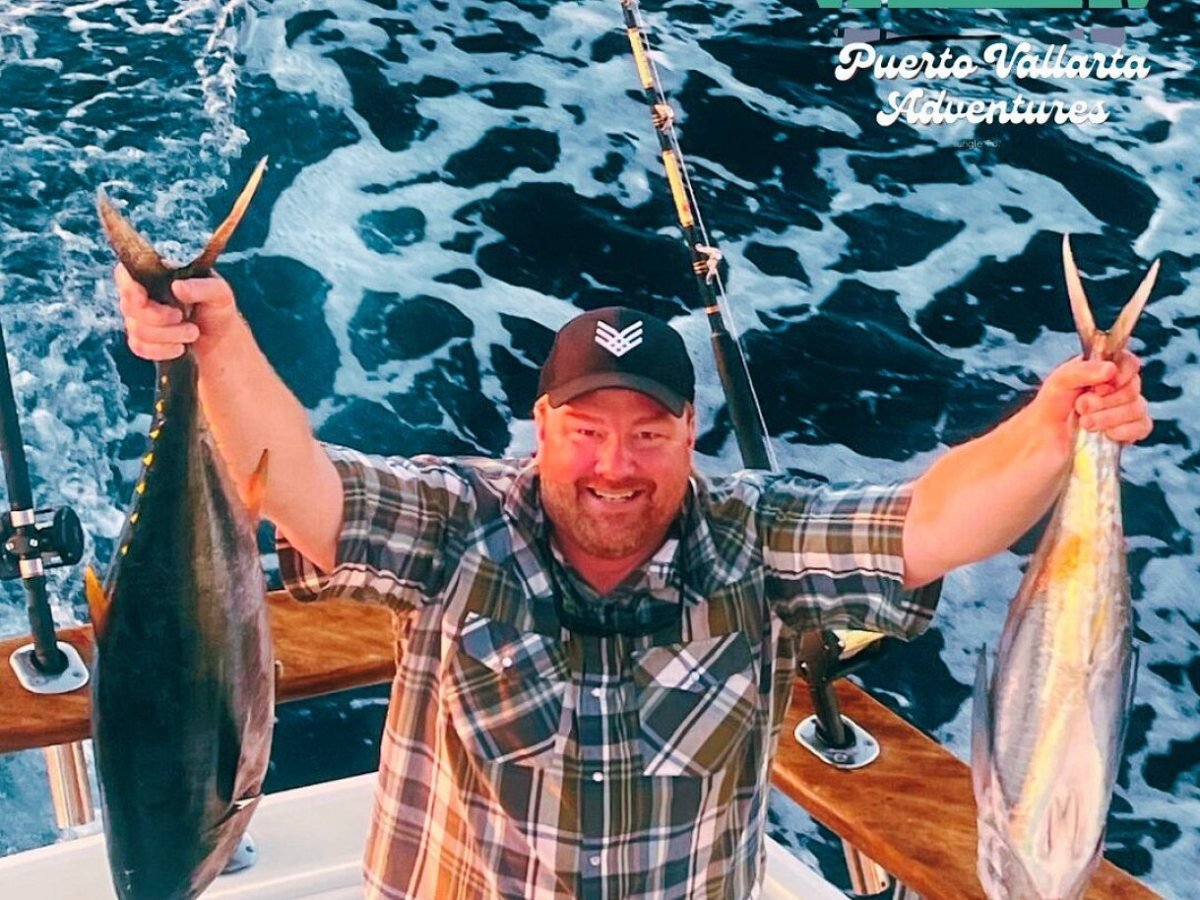
- Yellowfin tuna — sashimi, tostadas, seared steaks. Treat it like gold and keep it cold.
- Red snapper (huachinango) and pargo — classic whole-fried or grilled, and the traditional fish for pescado zarandeado.
- Sierra — the local favourite for ceviche.
Good if eaten fresh
- Bonito — darker, richer meat. Excellent raw or seared the same day; less good after a few days in the fridge.
Usually released
- Roosterfish and jack crevalle — spectacular fighters, modest eating. Most anglers take a photo and let them go.
- Billfish — see above.
Which of these are around depends on the month. Our month-by-month Banderas Bay fishing calendar shows when each species peaks.
From the Deck to the Bag: Cleaning and Filleting
On a good charter, the work after the catch is invisible to you. Here is what typically happens:
- On ice immediately. Kept fish go into the boat’s ice so the flesh stays firm and fresh.
- Cleaned and filleted. At the end of the trip the crew cleans and fillets your catch, removing skin and bones as needed.
- Bagged for you. Fillets go into bags ready for your cooler. Bring a cooler bag or a small cooler with ice packs so the fish stays cold on the way to the restaurant or your kitchen.
A note on tipping: the cleaning and filleting is part of the crew’s day, and a 10–20% tip on the charter price is customary in the bay. On a day with a big catch to process, groups tend to tip at the top of that range.
“You Hook It, We Cook It”: How Restaurants Cook Your Catch
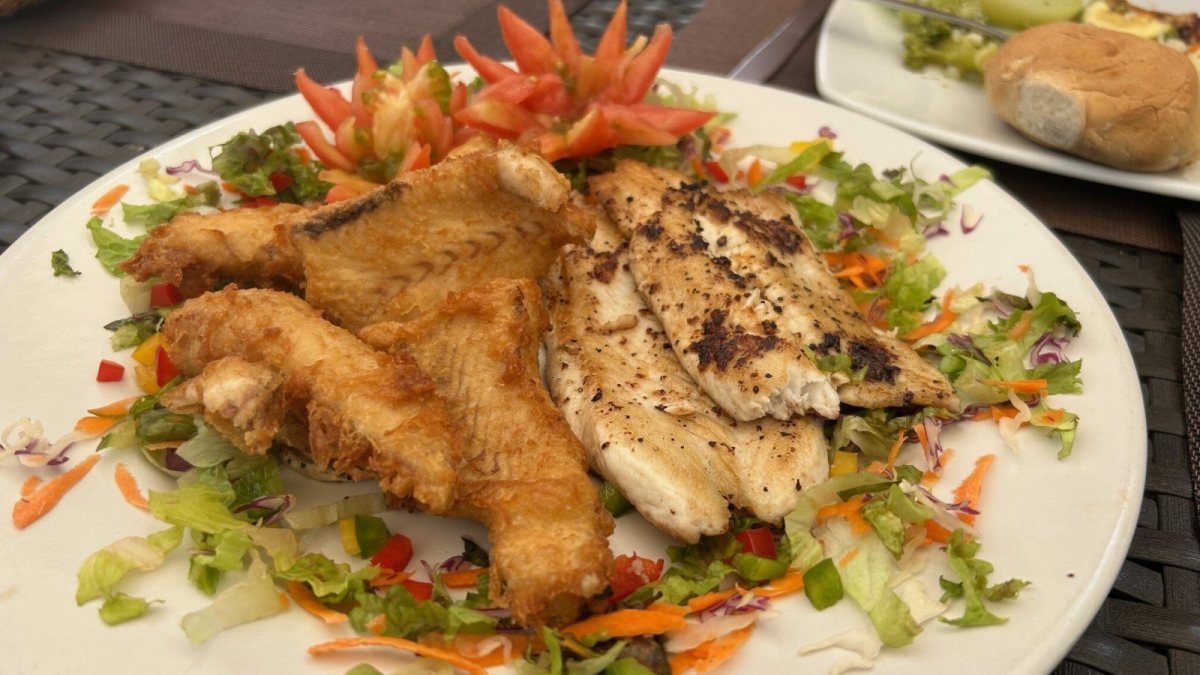
This is the part visitors love. Many restaurants in Puerto Vallarta, Bucerías and La Cruz de Huanacaxtle will take your cleaned fillets and turn them into a full meal for a per-person fee. The arrangement goes by a cheerful English nickname in tourist areas — “you hook it, we cook it” — and it is one of the best-value meals in the region.
How it usually works
- Call or stop by first. Not every restaurant offers it, and those that do may limit it to certain hours. Ask the fee per person and what sides are included.
- Bring cleaned, chilled fillets. Most kitchens want the fish ready to cook, which is exactly how the crew hands it to you.
- Choose your preparations. Many kitchens will happily split a catch into two or three styles.
- Pay the cooking fee plus drinks. Sides such as rice, salad, beans and tortillas are commonly part of the fee — confirm when you ask.
Preparations worth asking for
- Al mojo de ajo — pan-cooked in garlic butter. Hard to beat with dorado.
- A la diabla — in a spicy red chile sauce, for the brave.
- Empanizado — breaded and fried; a guaranteed hit with kids.
- Zarandeado — the Nayarit coast’s signature: butterflied, marinated and grilled over wood. Best with snapper.
- Ceviche or aguachile — with the freshest fish only; sierra and tuna work beautifully.
- Sashimi or tostadas de atún — if you landed yellowfin, this is the moment.
Tips for a smooth dinner
- Do not bring an enormous amount of fish for a small group. Two or three preparations for the table is plenty.
- Keep the fish on ice until the moment you hand it over.
- Go the same day if you can. Fresh fish is the whole point.
- Tip the kitchen and the server as you would for any meal.
Keeping Fish Fresh in Tropical Heat
Banderas Bay is warm year round, and fresh fish does not forgive a hot car. A few habits keep your catch tasting like it did on the boat:
- Cold, all the way. From the boat’s ice to your cooler bag to the restaurant kitchen or your fridge — never let the fillets sit in the sun.
- Ice packs or bagged ice in your cooler, with the fillets in sealed bags so they do not sit in meltwater.
- Eat the delicate fish first. Bonito and tuna for raw dishes the same day; firmer fish like dorado and snapper hold up better for a day or two in the fridge.
- Freeze what you will not eat within two days, flat in freezer bags so it freezes and thaws evenly.
- Raw dishes only with the freshest fish. If you are planning ceviche or sashimi, do it the day of the catch.
A Sample Day: Hook to Plate
To make it concrete, here is how a typical “catch your dinner” day unfolds for a group of six on a five-hour charter out of Nuevo Vallarta:
- 7:00 — Leave Marina Nuevo Vallarta on calm water. Lines out within minutes of clearing the marina.
- 8:00–10:30 — Bonito and sierra inside the bay, then a run toward a current line where a couple of dorado show up.
- 10:30 — A sailfish jumps on a teaser. Fight, photos, release.
- 11:00 — Swim and snorkel stop to cool off.
- 12:00 — Back at the dock. The crew fillets the dorado and sierra, bags it and hands it over on ice. Tip the crew.
- 14:00 — Late lunch at a beachfront restaurant that cooks your catch: dorado al mojo de ajo, sierra ceviche, rice, salad and cold drinks.
Not every day goes to script — it is fishing — but that is the shape of it.
Cooking It Yourself (or Having a Chef Do It)
Staying in a condo or villa? Fresh fillets from the morning’s trip and a hot pan are all you need. Season simply — salt, lime, garlic — and let the fish speak. If you would rather someone else does the cooking, a private chef can build a dinner around your catch at your rental; our guide to hiring a private chef in Puerto Vallarta explains how that works.
Taking Fish Home: What to Know Before You Fly
Plenty of anglers want to bring a taste of Vallarta home. It can be done, but it depends on two things outside anyone’s control in Mexico: your airline’s rules and the customs rules of your destination country.
The usual method
- Freeze the fillets solid.
- Vacuum-pack them — some fish markets and processing shops around the bay offer this; ask locally.
- Pack in a sealed, insulated cooler, labelled, as checked baggage if your airline allows it.
The disclaimer
We are a travel guide, not a customs authority. Some countries restrict or require declaration of fish products, quantities may be limited, and airlines have their own policies on coolers and dry ice. Check with your airline and your country’s customs agency before you travel. If in doubt, eat it here — that is half the fun anyway.
Planning a Trip Around the Dinner
If eating your catch is the highlight you are after, a few choices make it more likely:
- Pick the right length. Four to six hours inside Banderas Bay often produces bonito, sierra, snapper and small tuna; six to eight hours just outside the bay improves your dorado and tuna odds. Costs for each length are in our fishing charter prices guide.
- Choose the season. Dorado peaks roughly from September or October through January; yellowfin is offshore year-round.
- Fish in the morning. Calmer sea, active fish, and you are back in time for a late lunch with your catch.
- Sort transport for the trip back with a cooler — see our guide to getting to and from Marina Nuevo Vallarta.
Ol’ Salty’s runs three boats out of Marina Nuevo Vallarta — the family-friendly Guanatuna, the fast Peaceful Easy Feeling and the 53-foot Steel n Time — with gear and licenses included. Browse their sport fishing charters in Banderas Bay or compare the Puerto Vallarta fishing charter rates, and read their own notes on the best time to go fishing in Puerto Vallarta.
Frequently Asked Questions
Can you keep the fish you catch in Puerto Vallarta?
Yes, within Mexican legal limits. With Ol’ Salty’s Ranch, guests keep their catch and the crew cleans and fillets it. Many anglers choose to release billfish.
What are the catch limits in Mexico?
As a general guide under NOM-017-PESC-1994: around 10 fish per angler per day, no more than 5 of one species, 1 billfish, and 2 each of dorado, roosterfish and tarpon. Verify current rules with CONAPESCA.
Will a restaurant cook my fish?
Many restaurants in Puerto Vallarta, Bucerías and La Cruz will, for a per-person fee. Call ahead to confirm.
Do I need a fishing license?
Yes, but with Ol’ Salty’s it is included in the charter.
Can I take my fish home on the plane?
Sometimes — frozen, vacuum-packed and in a sealed cooler, if your airline and your destination’s customs rules allow it. Check before you fly.
Which fish are best to eat?
Dorado, yellowfin tuna, red snapper, pargo and sierra. Bonito is best very fresh; roosterfish and jack crevalle are usually released.
Catch it in the morning, eat it at sunset
A private boat out of Nuevo Vallarta, licenses included, and a crew that fillets your catch — the easiest way to turn “can you keep your catch in Puerto Vallarta” into dinner.
Read the catch guide →Keep exploring: our complete fishing guide, fishing charters in Puerto Vallarta, the Steel n Time charter and Vallarta’s food scene.