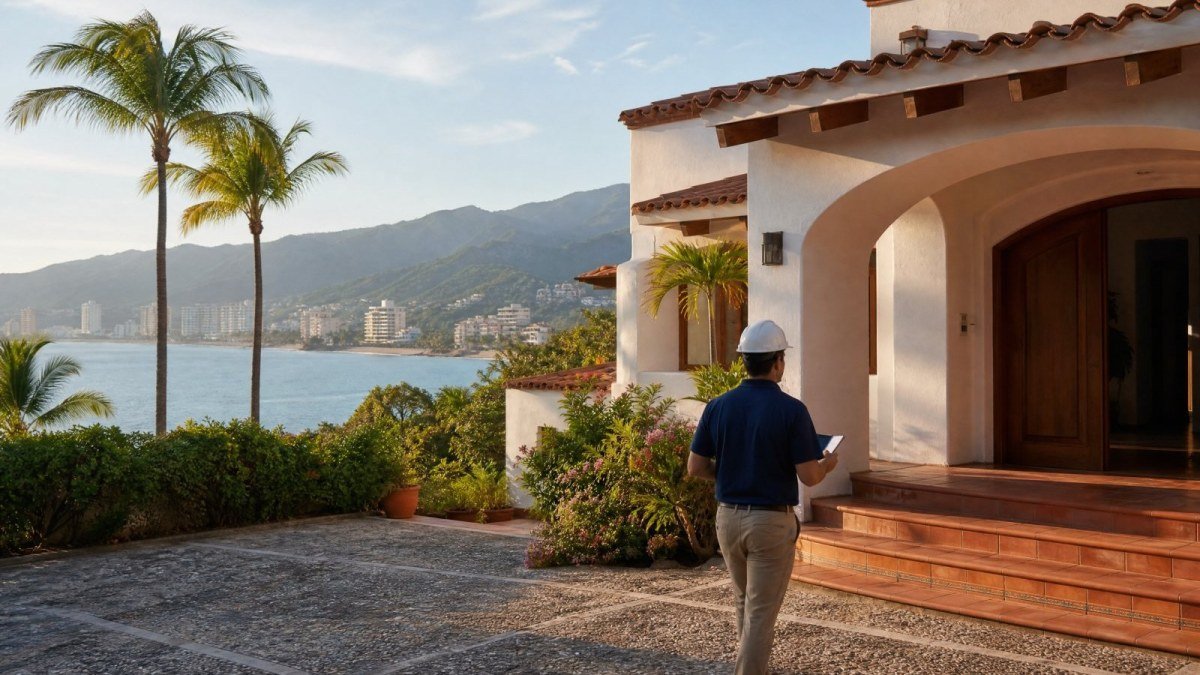
Buying a home on Banderas Bay usually starts with a view: a terrace above Los Muertos, a condo balcony facing the Marina, a villa in Conchas Chinas where the jungle runs down to the rocks. What the view never tells you is how the roof handled the last rainy season, whether the balcony steel is rusting inside the concrete, or what the electrician who wired the kitchen was improvising that day. That is the job of a home inspection in Puerto Vallarta, and in a market where no law requires one, it is the single most useful document a buyer can commission before money changes hands.
This guide walks through everything our editors think a buyer should know: why the Mexican closing process leaves a gap, what an inspector actually looks at, the problems that show up again and again in Vallarta properties, how to time the visit, and how to turn a report into a better deal. We also explain why we point readers to PVR Contractors, a local general contractor with a dedicated inspection division.
Why a Home Inspection Matters More in Mexico Than You Might Expect
Buyers coming from the United States or Canada often assume that someone, somewhere in the transaction, is responsible for checking the physical condition of the house. In Mexico, that someone does not exist unless you hire them.
What the notary checks — and what nobody checks
Every property sale in Mexico closes before a notario público. The notary is a powerful and important figure: they verify that the seller holds clean title, that there are no liens or embargoes, that property tax (predial) and water bills are paid up, and, for foreign buyers in the restricted coastal zone, that the bank trust (fideicomiso) is set up correctly. What the notary does not do is climb onto the roof, open the electrical panel or look under the sink. Their responsibility is legal, not structural.
"As is" really means as is
There is no standard seller disclosure form in the Mexican market and no mandatory inspection. Properties are typically sold ad corpus — as a whole, in the condition they are in. If a buyer discovers after closing that the cistern leaks or the terrace has been ponding water into the bedroom ceiling, the practical options for recourse are thin. The cheapest moment to discover a problem is before you sign.
The climate is not neutral
Puerto Vallarta is humid most of the time, takes the bulk of its annual rain between roughly June and October, and sits inside the Pacific hurricane season, which officially runs from May 15 to November 30. Salt air drifts inland from the beach and attacks anything made of steel or aluminum. Homes here wear out in specific, predictable ways, and a good inspector knows exactly where to look.
What a Home Inspector in Puerto Vallarta Actually Examines
A thorough visual inspection works system by system. When you hire a home inspector in Puerto Vallarta, expect the visit to cover at least the following areas.
Structure and concrete
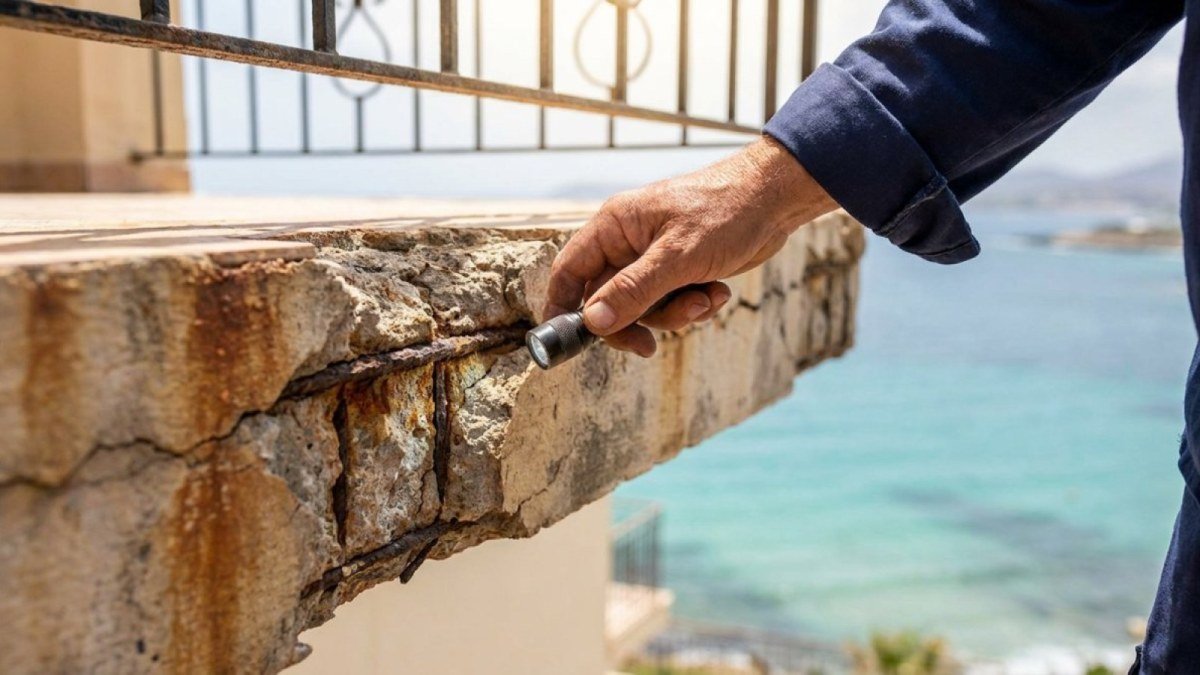
Most Vallarta homes are built from reinforced concrete with block or brick walls. The inspector looks for structural cracks, settlement, deflection in slabs and, above all, spalling: chunks of concrete popping off where the reinforcing steel has rusted and expanded. Balconies, exposed columns and slab edges facing the ocean are the usual suspects.
Roof and terrace waterproofing
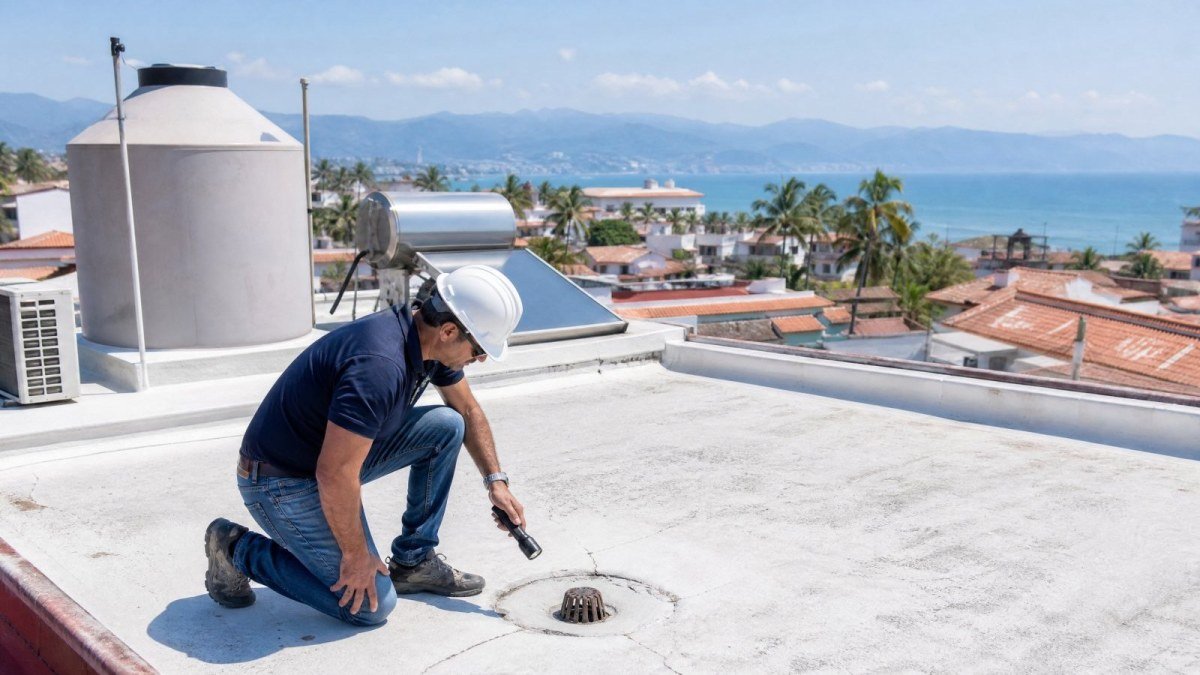
Flat concrete roofs (losas) are the norm, protected by a waterproofing membrane known locally as impermeabilizante. The inspector checks for blistered or cracked membrane, ponding water, cracked parapets, poor slopes and clogged drains. On a typical property this is the most important part of the visit, because a failed roof is behind most interior humidity complaints.
Electrical system
Power comes from CFE, and what happens after the meter varies enormously. Inspectors look for missing ground connections, mixed wire gauges, overloaded panels, exposed splices and the absence of GFCI protection near kitchens, bathrooms and pools.
Plumbing, water storage and pumps
Vallarta homes usually store water: a tinaco on the roof, an underground cisterna, or both, connected through a pump and often a pressure tank (the hydropneumatic system). The inspector checks tanks for leaks and cracks, tests pumps and pressure, and looks for signs of hidden leaks in walls and floors.
LP gas
Kitchens and water heaters run on LP gas, supplied either from a stationary tank or from cylinders. Corroded lines, improper regulators and water heaters installed without ventilation are safety items that belong at the top of any report.
Air conditioning, humidity and windows
Mini-split units, condensate drains, signs of mold behind furniture and inside closets, corroded aluminum window frames, failed seals and rain entering through sliding doors complete the picture. Fresh paint in a single room is not proof of a problem, but an experienced inspector will ask why it is there.
The Most Common Problems Found in Vallarta Properties
After reading many inspection reports from around the bay, a pattern emerges. These are the findings that come up most often — and the ones worth understanding before you fall in love with a listing. For a deeper dive, the contractor's own article on home inspection red flags in Puerto Vallarta is a useful companion read.
- Failed roof and terrace waterproofing. Blisters, splits and puddles that sit for days after a storm. Water finds its way through the slab and shows up as stains, peeling paint or mold in the rooms below. Repairs range from patching to full replacement, and a specialist in roof waterproofing in Puerto Vallarta can tell you which one you are facing.
- Concrete spalling from salt-air corrosion. Rust stains bleeding through paint, hollow-sounding concrete and visible rebar on balconies, columns and slab edges. Left alone, it gets worse with every rainy season.
- Electrical improvisations. Extensions that became permanent, circuits added without upgrading the panel, no ground, no GFCI near water.
- Water system issues. Leaking tinacos and cisterns, tired pumps, failing pressure tanks, low pressure on upper floors and leaks hidden inside walls.
- LP gas hazards. Corroded copper or steel lines, wrong regulators and enclosed water heaters with no airflow.
- Hidden humidity and mold. Behind wardrobes, inside closets, at the base of walls — and sometimes painted over shortly before a sale.
- Tired aluminum and glass. Pitted frames, broken seals, sliding doors that let wind-driven rain into the living room.
None of these is unusual, and most can be fixed. The point of an inspection is not to scare you away from a property but to tell you which of these issues it has, how serious each one is, and roughly what it will take to resolve.
Types of Inspections and Which One Fits Your Purchase
Not every purchase calls for the same visit. Here is how the main options line up.
| Situation | Inspection to ask for |
| Resale house or villa | Full pre-purchase inspection of every system |
| Condo in a building | Unit inspection plus visible common elements |
| New build or pre-sale (preventa) | Delivery inspection with a punch list for the developer |
| Suspected leaks or hot electrical panels | Thermal imaging add-on |
| Renting a home long term | Move-in / move-out condition report |
Pre-purchase inspection for resale homes
This is the classic visit, and the one most buyers need. A pre-purchase home inspection in Puerto Vallarta covers structure, roof, electrical, plumbing, gas, A/C, humidity, corrosion and windows, and produces a report you can bring to the negotiating table.
Condo inspections
In a condominium you buy a unit and a share of a building. A condo inspection in Puerto Vallarta looks at your unit in detail and at the visible condition of common elements: façade, roof, water system, elevators, the parking slab. Deferred maintenance in those areas is often a warning that a special HOA assessment may be coming.
New construction and pre-sale delivery
New does not mean flawless. Before accepting keys, a new construction inspection in Nuevo Vallarta or anywhere on the bay checks finishes, terrace slopes and drains, window and door sealing, electrical and plumbing function, A/C installation and visible structural cracks, then turns the findings into a punch list the developer can work through.
Thermal imaging
An infrared camera sees temperature differences that the eye cannot. A thermal imaging inspection in Puerto Vallarta can reveal hidden humidity behind finishes and hot spots inside electrical panels — particularly useful in a property that was recently repainted.
Rental and storm-damage inspections
Long-term tenants and landlords both benefit from a documented rental property inspection in Puerto Vallarta at move-in and move-out. And after a major storm, a storm damage inspection in Puerto Vallarta helps owners and buyers separate cosmetic mess from real damage to roofs, windows and structure.
When to Schedule the Inspection in a Mexican Purchase
Timing is where many foreign buyers go wrong. In most Vallarta transactions, the parties sign a promissory contract (contrato de promesa de compraventa) well before the final deed is signed at the notary. That promise contract is where your leverage lives.
- Before or while signing the promise contract. Ask your agent to include an inspection or due-diligence window, with the right to renegotiate or withdraw if serious issues appear.
- Inside that window, early. Book as soon as the offer is accepted so you have time to read the report, get repair opinions and talk to the seller.
- Before the rains if you can. If the purchase falls in spring, an inspection gives you time to schedule waterproofing or other repairs before the rainy season begins.
- Consider a visit during or just after rain. It is not always possible, but active leaks are easier to spot when water is actually moving. Treat this as a bonus, not a requirement.
If you are still choosing someone to represent you, our guide to real estate agencies in Puerto Vallarta covers how local agencies work and what to ask them about inspection clauses.
How to Choose an Inspector on Banderas Bay
There is no single national inspection standard that buyers can rely on here, so the choice of inspector matters. Our editors suggest weighing these points.
A builder's eye
An inspector with construction experience understands not only that something is wrong but why it happened and what fixing it involves. That is the main reason we recommend PVR Contractors for home inspection Puerto Vallarta buyers: the company builds, remodels and maintains properties across the bay, and its inspection division reads houses the way a builder would.
Bilingual reporting
Your lawyer may read Spanish, your partner may read English, and the seller’s agent may need both. A bilingual inspector who can deliver the report in English, Spanish or both removes a layer of translation and misunderstanding.
A report you can act on
Look for a digital photo report organized by system, where each finding includes photos, its location in the house, a priority level and a recommended solution. PVR Contractors sorts findings into safety, urgent, maintenance and monitor categories, which makes it much easier to decide what to negotiate and what to simply budget for.
Approximate repair costs — without the pressure
Because the firm is also a builder, its inspector can give approximate repair costs for the main findings. Buyers are never obligated to hire them for the work; the report is yours to take to any contractor. If you do want competing bids, our roundup of the best contractors in Puerto Vallarta is a good place to start.
Coverage across the bay
Make sure the inspector actually works where you are buying. PVR Contractors covers Puerto Vallarta neighborhoods from the Zona Romántica, Centro, Amapas and Conchas Chinas to Versalles, Marina Vallarta, Fluvial and the Hotel Zone, and offers home inspection across Riviera Nayarit, including Nuevo Vallarta, Bucerías, La Cruz de Huanacaxtle, Punta Mita and Sayulita.
What Happens on Inspection Day
Knowing what to expect makes the visit more useful. Here is how a typical day goes.
- Arrival and access. The inspector needs access to every area, including the roof, the tinaco, the cistern, the electrical panel, the gas tank or cylinders and the pump room. Ask the seller’s agent to confirm keys and access ahead of time.
- Roof first. Most inspectors start up top while the light is good, checking membrane, drains, parapets, water tanks and any solar water heater.
- System by system. Electrical, plumbing, gas, A/C, windows and doors, then a room-by-room look for humidity and cracks.
- Outdoor areas and extras. Balconies, terraces, pool equipment and exterior walls.
On-site time depends on the property. As a reference from the company’s own guidance, a condo usually takes around two to three hours, while a house or villa takes roughly three to five hours depending on size, roof access and extras such as a pool. You are welcome to attend, and it is worth doing: you will learn more about the house in those hours than in any number of showings.
If you are buying from abroad
Many Vallarta buyers live in another country during the purchase. A live video walkthrough during the visit lets you see what the inspector sees, and afterwards the inspector can walk you through the report by video call. They can also speak directly with your agent, your lawyer or your property manager, which keeps everyone working from the same information.
Reading the Report and Using It to Negotiate
The report usually arrives shortly after the visit. Resist the urge to panic at the number of findings — every house has a list. What matters is the mix.
Sort by priority
- Safety: gas leaks, dangerous wiring, structural concerns. These need to be addressed before anyone lives in the house.
- Urgent: active leaks, failed waterproofing, pumps about to quit. These will get worse and more expensive quickly.
- Maintenance: sealing, painting, minor repairs that belong in your first-season budget.
- Monitor: items to watch, such as hairline cracks or early corrosion.
Turn findings into options
With approximate repair costs in hand, you and your agent can ask the seller to fix specific items before closing, request a price reduction, or agree on a credit. Occasionally the right answer is to walk away, and the inspection window in your promise contract is what makes that possible without losing your deposit. Real estate professionals who want reports structured for these conversations can look at the firm’s home inspections for real estate agents in Puerto Vallarta.
Plan the first season
Even a clean report leaves you with a to-do list. Once you own the property, property maintenance plans in Puerto Vallarta help absentee owners keep roofs, pumps and A/C on schedule. If the report points toward larger changes, a remodeling contractor in Puerto Vallarta can scope them properly.
How to Request a Quote
PVR Contractors does not publish a fixed price list, because the cost depends on the size and type of property, the systems involved (a pool, solar heating or a cistern all add time) and the location. The process is simple: send the address and approximate square meters by WhatsApp at +52 322 301 6727 or through the contact form, and you will receive a fixed quote, usually on the same day. For buyers who want everything in one place, the pre-purchase inspection for buyers in Puerto Vallarta outlines exactly what the visit includes.
Before You Sign: Book Your Inspection
A Vallarta home can be the best decision you ever make, as long as you know what you are buying. Put an inspection window in your promise contract, book the visit early, attend if you can, and read the report by priority rather than by length. When you are ready, start with a home inspection in Puerto Vallarta from a bilingual team that inspects with a builder’s eye — and walk into the notary’s office knowing exactly what comes with the view.
Frequently asked questions
Is a home inspection required to buy property in Puerto Vallarta?
No. Mexican law does not require a home inspection, and there is no standard seller disclosure. The notary checks the legal side of the sale, such as title, liens, property tax and water bills, but nobody checks the physical condition of the house unless the buyer hires an inspector.
When should I schedule the inspection?
Before or while signing the promissory contract (contrato de promesa de compraventa), inside the inspection or due-diligence window your agent negotiates. Booking early gives you time to read the report, get repair opinions and renegotiate with the seller.
What does a home inspection in Puerto Vallarta cover?
Structure and concrete, roof and terrace waterproofing, electrical, plumbing, water tanks and cisterns, pumps, LP gas, air conditioning, humidity, salt-air corrosion and aluminum windows and doors.
How long does the inspection take?
According to PVR Contractors, a condo usually takes around two to three hours on site, and a house or villa roughly three to five hours depending on size, roof access and extras such as a pool.
Can I attend the inspection or follow it from abroad?
Yes. Buyers are welcome to attend. If you are outside Mexico, a live video walkthrough is possible, and the inspector can review the report with you by video call and speak directly with your agent, lawyer or property manager.
What language is the report in?
PVR Contractors' inspector is bilingual and delivers the report in English, Spanish or both. It is a digital photo report organized by system, with photos, location, priority level and a recommended solution for each finding.
Do I have to hire the inspector's company for repairs?
No. PVR Contractors can give approximate repair costs for the main findings because it is also a builder, but clients are never obligated to hire it and can use any contractor.
How much does a home inspection cost?
PVR Contractors does not publish prices because the cost depends on the size and type of property, systems such as a pool, solar heating or cistern, and location. Send the address and approximate square meters by WhatsApp or through the contact form to receive a fixed quote, usually the same day.
References & useful links
Sources for this article. The services, report format, on-site times and coverage described above come from these PVR Contractors pages:
- PVR Contractors — home inspection in Puerto Vallarta — pvrcontractors.com/home-inspection-puerto-vallarta/
- Pre-purchase home inspection in Puerto Vallarta — pvrcontractors.com/home-inspection-puerto-vallarta/pre-purchase-home-inspection/
- Condo inspection in Puerto Vallarta — pvrcontractors.com/home-inspection-puerto-vallarta/condo-inspection/
- Home inspection red flags in Puerto Vallarta (PVR Contractors blog) — pvrcontractors.com/blog/home-inspection-red-flags-puerto-vallarta/
- Request an inspection quote: contact form — pvrcontractors.com/contact/
- WhatsApp PVR Contractors (322) 301 6727 — wa.me/523223016727